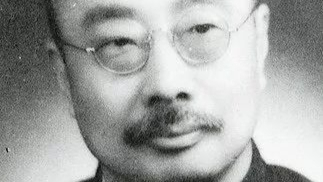
Zhou Zuoren
Introduction
Zhou Zuoren (1885-1967) was a prominent Chinese writer, essayist, and translator. He was known for his contributions to modern Chinese literature and his role in the New Culture Movement. As a younger brother of the famous writer Lu Xun, Zhou Zuoren played a significant part in the intellectual and cultural transformation of China in the early 20th century. His works often focused on issues of social reform, literature, and education, and he was a strong advocate for women's rights and the modernization of Chinese culture.
Early Life and Education
Zhou Zuoren was born on January 16, 1885, in Shaoxing, Zhejiang province, China. He was the younger brother of Lu Xun, another influential figure in Chinese literature. Zhou’s early education included traditional Confucian studies, but he later pursued a more modern education. He went to Japan in 1906 to study, where he became influenced by Western thought and literature. His time in Japan exposed him to new ideas, leading him to become an advocate for modernism and reform in Chinese society.
Literary Contributions
Zhou Zuoren was a key figure in the New Culture Movement, a period marked by a shift towards Western ideas and modernization in Chinese society. He was a member of the editorial staff of New Youth, a magazine that became a platform for New Culture intellectuals. Zhou was known for his essays that promoted vernacular Chinese (baihua) as opposed to classical Chinese, advocating for literature that was more accessible to the general public.
His essays often addressed social and cultural issues, including the status of women in China. Zhou Zuoren was a strong supporter of women's rights and education, believing that the modernization of China depended significantly on the liberation and education of women. He published several essays and translations that highlighted these themes, making significant contributions to the development of feminist ideas in China.
Translation Work
In addition to his essays and literary works, Zhou Zuoren was an accomplished translator. He translated a variety of Western literature into Chinese, including works by Japanese authors and Western classics. His translations helped introduce Chinese readers to new literary styles and ideas, further fostering cultural exchange and modernist thought in China.
Zhou was particularly interested in children's literature, believing that it was crucial for the moral and intellectual development of young readers. He translated and wrote children's stories, emphasizing the importance of nurturing imagination and critical thinking among the younger generations. His work in this area showed his dedication to educational reform and the cultivation of a more informed and enlightened public.
Role in the May Fourth Movement
The May Fourth Movement was a cultural and political movement that emerged in response to the Treaty of Versailles and the perceived injustice towards China. It marked a significant cultural shift towards modernism and national reform. Zhou Zuoren was an active participant in this movement, advocating for new cultural and educational ideals. He emphasized the importance of science, democracy, and the rejection of traditional Confucian values that he believed hindered China’s progress.
Zhou's involvement in the movement included writing and editing works that criticized outdated traditions and promoted progressive ideas. His essays during this period reflect his commitment to cultural renewal and the importance of intellectual freedom.
Controversies and Later Life
Despite his contributions to Chinese literature and culture, Zhou Zuoren's later years were marked by controversy. During the War of Resistance Against Japanese Aggression (1931-1945), he worked in Japanese-occupied Beijing, which led to accusations of collaboration with the Japanese occupiers. This part of his life remains a contentious topic among historians and scholars.
After the war, Zhou Zuoren was arrested and spent several years in prison. Following his release, he lived a relatively quiet life, continuing to write and translate until his death in 1967.
Legacy
Zhou Zuoren’s legacy is complex due to the controversies surrounding his wartime activities. However, his contributions to modern Chinese literature and thought are undeniable. His advocacy for women’s rights, vernacular literature, and educational reform had a lasting impact on Chinese society. As a translator and essayist, Zhou influenced a generation of writers and thinkers, helping to shape the direction of Chinese literary and cultural modernism.
Zhou's work continues to be studied and discussed, reflecting his enduring influence on Chinese intellectual history. His efforts to bridge Western and Chinese thought, as well as his commitment to social issues, make him a significant figure in the landscape of modern Chinese literature. His legacy is one of cultural transformation, pushing boundaries and challenging the status quo to create a more progressive and open society. Photo Gallery(1 picture)CategoriesLiteratureTagModern and Contemporary LiteratureLiterary FiguresCatalogue1. Introduction2. Early Life and Education3. Literary Contributions4. Translation Work5. Role in the May Fourth Movement6. Controversies and Later Life7. Legacy- - - []








